
Stock markets will be driven by RBI's interest rate decision, tariff-related developments, global trends and trading activity of foreign investors in this holiday-shortened week, analysts said.

Foreign investors pulled out Rs 34,993 crore (around $4 billion) from Indian equity markets in August, making it the sharpest sell-off in six months, weighed down by US tariffs on Indian exports and pricey domestic valuations. The withdrawal was nearly double the Rs 17,741 crore outflow recorded in July.

After withdrawing money on a net basis for the past three months, foreign portfolio investors (FPIs) have turned buyers with a Rs 6,480 crore investment in October so far, driven by strong macroeconomic factors.

Foreign portfolio investors (FPIs) remained net sellers of Indian equities in September, withdrawing Rs 23,885 crore (around $2.7 billion) and taking year-to-date outflow to Rs 1.58 lakh crore ($17.6 billion).

Equity benchmark indices Sensex and Nifty fell on Friday, extending their downward journey to the third day, as investors continued to reel under pressure caused by the imposition of high tariffs and relentless foreign fund outflows.

From the Sensex firms, HCL Tech, Tata Steel, Tech Mahindra, Reliance Industries, Bharat Electronics and ICICI Bank were among the laggards. Bajaj Finance, Hindustan Unilever, UltraTech Cement and Power Grid were among the gainers.

From the Sensex firms, Reliance Industries, Tech Mahindra, Eternal, HCL Tech, Infosys, IndusInd Bank, Tata Consultancy Services and Bajaj Finserv were the biggest gainers. In contrast, UltraTech Cement, Sun Pharma, Power Grid, NTPC, Kotak Mahindra Bank and Mahindra & Mahindra were among the laggards.

Foreign investors continue to show confidence in the country's equity market, infusing Rs 18,620 crore so far this month, driven by a combination of global tailwinds and improving domestic fundamentals. This positive momentum follows a net investment of Rs 4,223 crore in April, marking the first inflow in three months, data with the depositories showed.

Among Sensex firms, NTPC, Axis Bank, Power Grid, Bharti Airtel, Eternal and Sun Pharma were the major gainers. However, Infosys, Titan, UltraTech Cement and Hindustan Unilever were among the laggards.
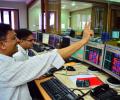
From the Sensex pack, Asian Paints, UltraTech Cement, Power Grid, ICICI Bank, Reliance Industries, Hindustan Unilever, Bharat Electronics and Sun Pharma were among the major gainers. In contrast, Trent, Eternal, Axis Bank and Titan were among the laggards.

Among Sensex firms, Mahindra & Mahindra, Asian Paints, Infosys, Titan, Sun Pharma, Tata Consultancy Services, Tech Mahindra and Power Grid were the major laggards. However, Bajaj Finance, Eternal, UltraTech Cement and Reliance Industries were among the gainers.
From the Sensex pack, NTPC, Tech Mahindra, Zomato, Axis Bank, Bajaj Finance, Infosys, Maruti, State Bank of India, Kotak Mahindra Bank, Reliance Industries, Hindustan Unilever, and HDFC Bank were the losers. IndusInd Bank, HCL Tech, Titan, Mahindra & Mahindra and Power Grid were the gainers.

From the Sensex constituents, Adani Ports, Tata Steel, Kotak Mahindra Bank, UltraTech Cement, Bajaj Finserv and Titan were among the biggest gainers. In contrast, Power Grid, Trent, NTPC, Maruti, HCL Tech and Bharat Electronics were among the laggards.

Indian equities declined on Friday, with the benchmark Nifty posting its worst weekly fall since September, as foreign investor sentiment remained weak amid tepid earnings growth and little progress on the India-US trade front.

From the Sensex firms, Infosys declined by 3.54 per cent. Power Grid, Eternal, HCL Tech, Tata Consultancy Services, Bharti Airtel, IndusInd Bank, NTPC and HDFC Bank were the major laggards. Sun Pharma, Adani Ports, Bajaj Finance, State Bank of India and Tech Mahindra were the gainers.
Sensex sinks 573 pts on global tensions and high crude prices

From the Sensex firms, Tata Motors, Titan, Eternal, Power Grid, Tata Steel, Larsen & Toubro, Mahindra & Mahindra and Hindustan Unilever were among the biggest laggards. Bajaj Finserv, Asian Paints and Tech Mahindra were the gainers.

From the Sensex pack, IndusInd Bank dropped over 3.50 per cent, followed by Mahindra & Mahindra which declined more than 2 per cent. HCL Tech, Maruti, Infosys, Zomato, Power Grid, Adani Ports, Tata Consultancy Services and UltraTech Cement were also among the laggards. Kotak Mahindra Bank, Hindustan Unilever, ICICI Bank, Tata Motors, Nestle and Bharti Airtel were among the gainers.

From the Sensex pack, UltraTech Cement, Infosys, Bajaj Finserv, Axis Bank, HDFC Bank, Bharti Airtel, HCL Tech and Tata Consultancy Services were the biggest gainers. Zomato tanked nearly 6 per cent followed by IndusInd Bank which declined about 5 per cent. Adani Ports, Mahindra & Mahindra, Reliance Industries and Sun Pharma were also among the laggards.

From the Sensex pack, Bajaj Finserv, Larsen & Toubro, Bajaj Finance, HDFC Bank, Bharat Electronics and Kotak Mahindra Bank were among the major laggards. However, Tata Steel, Asian Paints, UltraTech Cement, and Trent were the biggest gainers.

Trading activity of foreign investors and crude oil prices would also remain in the limelight during the week, experts noted. "This week brings a series of important economic data releases from India and the United States, which are likely to influence market sentiment and central bank outlooks.
Benchmark stock indices Sensex and Nifty rebounded on Thursday after two days of decline, mirroring a rally in global markets as a US court blocked President Donald Trump's reciprocal tariffs. The 30-share BSE Sensex climbed 320.70 points or 0.39 per cent to settle at 81,633.02.

Equity markets this week will turn their focus on the RBI's interest rate decision, Q1 earnings from several blue-chip firms and tariff-related news for further cues, analysts said. Moreover, trading activity of foreign investors and trends in global equity markets will also drive investors' sentiment.
Key benchmark indices Sensex and Nifty declined for the third session in a row on Friday, dropping nearly 1 per cent, dragged by heavy selling in IT, auto and energy stocks. Tariff-related uncertainties amid mixed global market trends also added to the pressure, analysts said. The 30-share BSE Sensex tanked 689.81 points or 0.83 per cent to settle at 82,500.47.

From the Sensex firms, Eternal, ICICI Bank, Bharti Airtel, Sun Pharma, State Bank of India, Bajaj Finserv, Kotak Mahindra Bank and Reliance Industries were among the biggest gainers. Tech Mahindra and Maruti were the laggards.
From the Sensex shares, IndusInd Bank jumped 7.12 per cent. Axis Bank, Adani Ports, Asian Paints, Bharti Airtel, State Bank of India and ITC were also among the gainers. Maruti, Infosys, Tata Motors, Larsen & Toubro, NTPC and Bajaj Finance were among the laggards.
Foreign investors offloaded Indian equities worth nearly Rs 21,000 crore in the first half of August, pressured by US-India trade tensions, lacklustre first-quarter corporate earnings, and a weakening rupee.

Stock investors will track the ongoing conflict between Iran and Israel, Brent crude oil prices, inflation data and the US Fed interest rate decision for further cues this week, analysts said. Tariff-related news would also dictate trends in the equity market, experts noted.

Stock market benchmark indices Sensex and Nifty tumbled over 1 per cent each on Friday as tensions soared between India and Pakistan, fuelling fears of a wider conflict.
Stock markets will be mainly driven by quarterly earnings by corporates, foreign fund flows and global trends this week, analysts said.
Tata Motors, State Bank of India, UltraTech Cement, Tata Consultancy Services, Tata Steel and Asian Paints were among the other laggards from the 30-share pack. Maruti, Bharti Airtel, Power Grid, Hindustan Unilever and HDFC Bank were among the gainers.
RBI's interest rate decision, macroeconomic data announcements and global trends are the key factors that would dictate the momentum in the equity market this week, analysts said.
Among Sensex firms, Tech Mahindra, HCL Tech, Eternal, Axis Bank, Maruti, Tata Steel, HDFC Bank and Asian Paints were the gainers. However, Adani Ports, Trent, Tata Motors, Hindustan Unilever and NTPC were among the laggards.
From the Sensex pack, Bajaj Finserv, IndusInd Bank, NTPC, Larsen & Toubro, UltraTech Cement, Adani Ports, Bajaj Finance, Power Grid, Zomato, State Bank of India, HDFC Bank and Titan were the biggest gainers. Tata Motors tanked over 5.5 per cent after US President Donald Trump announced he would impose 25 per cent tariffs on imported cars. Sun Pharma, Kotak Mahindra Bank, Bharti Airtel, HCL Tech and Mahindra & Mahindra were also among the laggards.
Foreign investors continue to exhibit confidence in the country's equity market, injecting Rs 19,860 crore in May driven by favourable global economic indicators and strong domestic fundamentals. This positive momentum follows a net investment of Rs 4,223 crore in April, data with the depositories showed.
From the Sensex firms, Mahindra & Mahindra, HCL Tech, Tata Motors, Nestle, ITC, Hindustan Unilever, Larsen & Toubro, and Tech Mahindra were the biggest gainers. In contrast, Eternal, UltraTech Cement, Power Grid, Tata Steel and Kotak Mahindra Bank were among the laggards. Eternal dropped 4.51 per cent.
After investing a staggering amount in May, foreign investors turned net sellers with a withdrawal of Rs 8,749 crore from the Indian equity markets in the first week of this month triggered by renewed US-China trade tensions and rising US bond yields. This momentum follows a net investment of Rs 19,860 crore in May and Rs 4,223 crore in April, data with the depositories showed.
Bharti Airtel, ICICI Bank, Eternal, Mahindra & Mahindra, HCL Technologies, HDFC Bank, Kotak Mahindra Bank, Tata Consultancy Services and Bajaj Finance were also among the laggards.

From the Sensex pack, Bharti Airtel, Asian Paints, Infosys, Bharat Electronics, Tech Mahindra and Eternal were major laggards. However, Maruti, Tata Steel, Bajaj Finance, Bajaj Finserv, Trent and Tata Consultancy Services were among the gainers.

From the Sensex firms, Tata Steel, Power Grid, NTPC, Kotak Mahindra Bank, Reliance Industries and Adani Ports were among the biggest gainers. Asian Paints and Tata Consultancy Services were the only laggards.
